

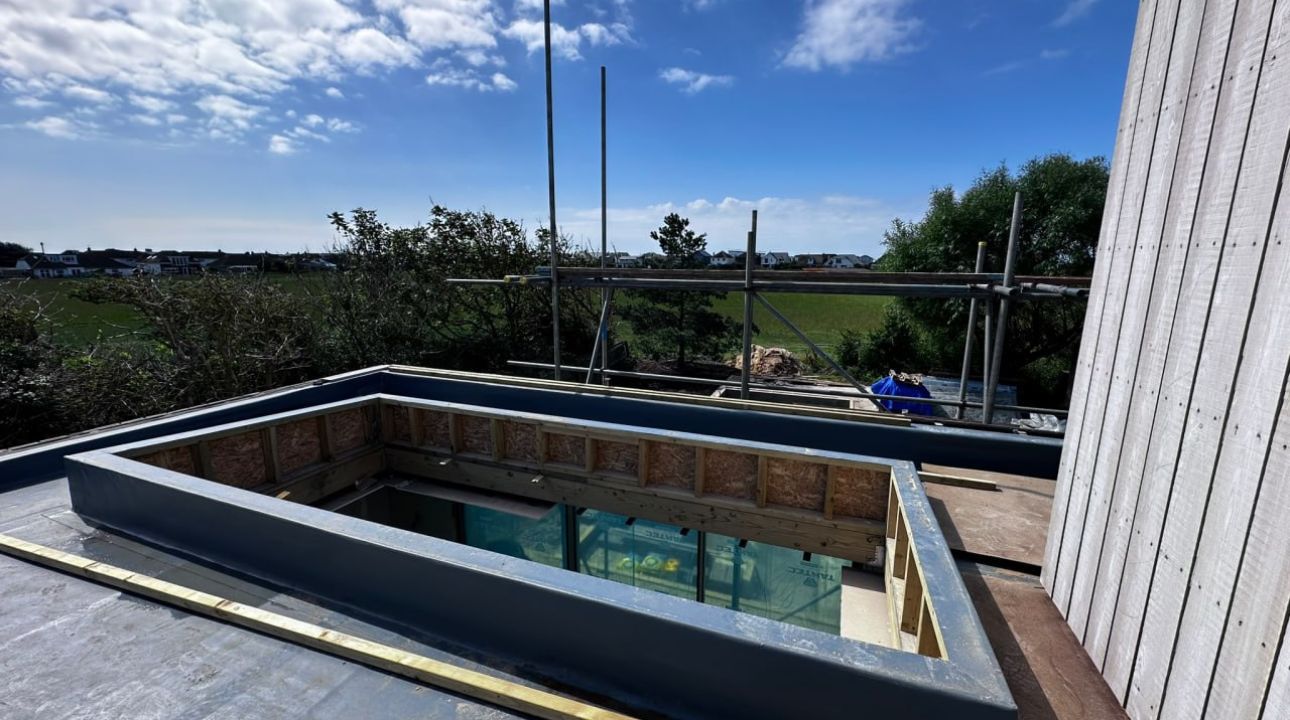
Choosing the right roofing system is more than just a structural decision
When it comes to building or renovating a property, the roof is one of the most critical components to consider. Not only does it provide essential protection against the elements, but it also plays a significant role in the building’s overall energy efficiency and comfort. One of the key decisions homeowners and builders face is choosing between a warm roof and a cold roof. Each option offers distinct advantages and drawbacks, and understanding these differences can help you make an informed choice that best suits your needs.
In this article, we will explore the fundamental differences between warm and cold roofs, delve into their impact on energy efficiency and moisture control, and explain the importance of upstands in these roofing systems.
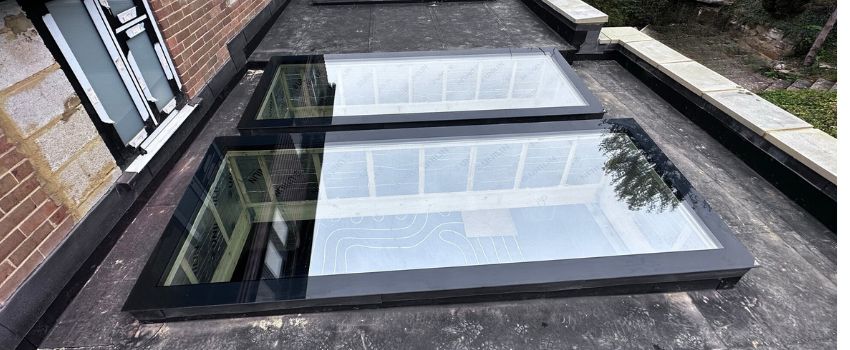
Overview of Roof Types
What is a Warm Roof?
A warm roof is a type of roofing system where the insulation is placed above the structural deck, directly beneath the waterproofing layer. This design ensures that the entire roof structure is kept warm, reducing the risk of condensation and improving energy efficiency. Warm roofs are particularly effective in maintaining consistent indoor temperatures, making them a popular choice in colder climates or for buildings where thermal performance is a priority.
Composition and Typical Materials Used:
A warm roof typically consists of the following layers:
- Structural Deck: The base of the roof, usually made from concrete, timber, or steel.
- Vapor Control Layer (VCL): A barrier that prevents moisture from entering the insulation.
- Insulation Layer: Often made from rigid foam boards, such as polyisocyanurate (PIR) or extruded polystyrene (XPS).
- Waterproofing Membrane: A layer that protects against water ingress, commonly made from bitumen, EPDM rubber, or single-ply membranes.
What is a Cold Roof?
A cold roof is a traditional roofing system where the insulation is placed below the structural deck, typically between the rafters or joists. In this configuration, the structural deck remains exposed to external temperatures, which can lead to thermal bridging and a higher risk of condensation if not properly ventilated. Cold roofs are commonly found in older buildings or in regions where insulation is added after the roof is constructed.
Composition and Typical Materials Used:
A cold roof generally consists of the following layers:
- Structural Deck: The main support layer, often made from timber or concrete.
- Insulation Layer: Usually placed between the rafters, made from materials like fiberglass batts, mineral wool, or rigid foam boards.
- Ventilation Space: A gap between the insulation and the roof covering to allow air circulation and prevent condensation.
- Roof Covering: The outermost layer, which can be made of tiles, shingles, or metal sheets.
Key Differences Between Warm Roofs and Cold Roofs
Choosing between a warm roof and a cold roof is a crucial decision that can significantly impact your building’s thermal performance, energy efficiency, and overall comfort. While both roofing systems serve the same fundamental purpose, they differ in several important ways. Understanding these differences can help you select the roofing system that best meets your specific needs.
Insulation Placement
The most significant difference between warm roofs and cold roofs lies in the placement of insulation. In a warm roof, the insulation is installed above the structural deck, directly beneath the waterproofing layer. This arrangement ensures that the entire roof structure remains warm, reducing the risk of cold bridging and condensation.
In contrast, a cold roof places the insulation below the structural deck, usually between the rafters or joists. This leaves the deck exposed to external temperatures, making it more susceptible to heat loss and cold bridging. Adequate ventilation is essential in cold roofs to prevent condensation and maintain the roof’s integrity
Energy Efficiency
Warm roofs generally offer superior energy efficiency compared to cold roofs. By placing insulation above the structural deck, warm roofs create a continuous thermal barrier that minimizes heat loss and enhances the building’s overall energy performance. This design is particularly advantageous in colder climates, where maintaining consistent indoor temperatures is critical.
Cold roofs, on the other hand, can be less energy-efficient due to the exposure of the structural deck to external temperatures. The potential for cold bridging in cold roofs can lead to increased heat loss, making the building less energy-efficient. However, with proper insulation and ventilation, cold roofs can still perform adequately in moderate climates.
Moisture Control
Moisture control is another area where warm roofs and cold roofs differ significantly. Warm roofs, with their insulation placed above the deck, effectively prevent condensation within the roof structure. The warm roof design keeps the structural deck warm, reducing the likelihood of moisture accumulation and the associated risks of mold and rot.
In cold roofs, the structural deck remains cold, which can lead to condensation, especially in inadequately ventilated spaces. Moisture buildup can result in serious issues such as mold growth, wood rot, and structural damage. Proper ventilation is critical in cold roofs to allow moisture to escape and prevent condensation problems.
Installation Process
The installation process for warm roofs is generally more straightforward but may require more materials and labor upfront. Since the insulation is installed above the structural deck, it simplifies the process of creating a continuous thermal barrier. However, the installation of a warm roof can be more expensive due to the need for additional layers, such as the vapor control layer and the waterproofing membrane.
Cold roofs typically involve placing insulation between the rafters or joists, which can be more complex and time-consuming. The need to maintain adequate ventilation adds another layer of complexity to the installation process. While cold roofs might involve lower material costs, the installation may require more careful planning and execution to ensure long-term performance.
Cost Considerations
Cost is an important factor when deciding between a warm roof and a cold roof. Warm roofs tend to be more expensive initially due to the cost of materials and the complexity of the installation process. However, their superior energy efficiency can lead to long-term savings on heating and cooling costs, making them a cost-effective option over time.
Cold roofs, on the other hand, generally have lower upfront costs, as they require fewer materials and less complex installation. However, the potential for increased energy costs due to lower thermal performance should be considered. Additionally, the need for regular maintenance to address moisture and ventilation issues can add to the long-term costs of a cold roof.
Maintenance and Longevity
Tags:
Warm roofs generally require less maintenance over time compared to cold roofs. The placement of insulation above the structural deck reduces the risk of condensation and moisture-related problems, leading to a longer lifespan with fewer issues.
Cold roofs, due to their exposure to external temperatures and the potential for condensation, may require more frequent maintenance. Ensuring proper ventilation and monitoring for signs of moisture buildup are essential to maintaining the longevity of a cold roof. Failure to address these issues can lead to costly repairs and a shorter lifespan for the roof.


